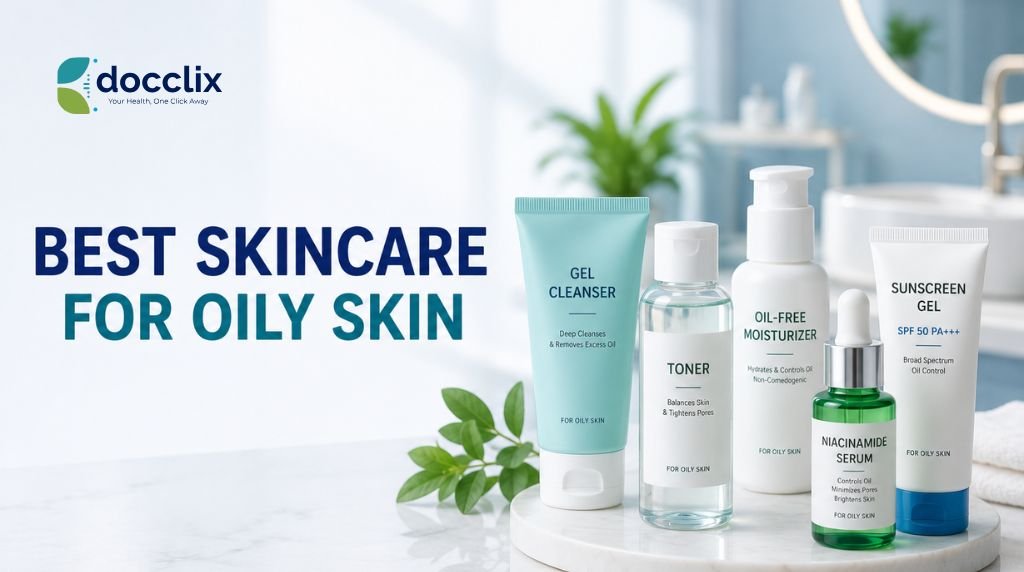
Oily skin is one of the most common skin types and can be challenging to manage if you don't follow the right skincare routine. Excess oil production often leads to acne, clogged pores, blackheads, enlarged pores, and an unwanted shiny appearance. While natural oils help protect the skin, excessive sebum production can create several skincare concerns if left unmanaged.
The good news is that oily skin can be effectively controlled with the right combination of skincare products, healthy lifestyle habits, and professional dermatological care when needed. Choosing products specifically formulated for oily skin helps balance oil production without stripping away the skin's natural moisture barrier.
In this comprehensive guide, you'll learn everything about the best skincare for oily skin, including the causes of oily skin, the most effective ingredients, a dermatologist-recommended skincare routine, common mistakes to avoid, and when to consult a skin specialist.
What Is Oily Skin?
Oily skin is a skin type in which the sebaceous glands produce more sebum (natural oil) than necessary. Sebum plays an important role in keeping the skin moisturized and protected from environmental damage. However, excessive oil production can mix with dead skin cells and dirt, leading to clogged pores and acne breakouts.
People with oily skin often notice that their face becomes shiny within a few hours after washing, especially around the forehead, nose, and chin—commonly known as the T-zone. Although oily skin may be frustrating, it also has some advantages, such as slower development of fine lines and wrinkles compared to dry skin.
Understanding your skin type is the first step toward building the best skincare for oily skin and achieving healthier, balanced skin.
What Causes Oily Skin?
Several factors can contribute to increased oil production. Knowing the underlying cause can help you choose the right skincare products and make lifestyle changes that support healthier skin.
-
Genetics
Genetics play a major role in determining your skin type. If one or both of your parents have oily skin, you are more likely to experience excess sebum production as well.
Although genetics cannot be changed, following a proper skincare routine can help control shine and reduce common concerns such as acne and enlarged pores.
-
Hormonal Changes
Hormonal fluctuations are one of the most common causes of oily skin. Increased androgen hormone levels stimulate the sebaceous glands, causing them to produce more oil.
This is why oily skin is particularly common during:
- Puberty
- Pregnancy
- Menstrual cycles
- Polycystic Ovary Syndrome (PCOS)
- Menopause in some women
Managing hormonal conditions with medical guidance may also improve skin health.
-
Climate and Weather
Hot and humid weather often increases oil production. During summer months, many people notice their skin becoming shinier than usual.
Sweat combined with excess oil can clog pores and contribute to acne if the skin is not cleansed properly.
-
Using the Wrong Skincare Products
Harsh cleansers, alcohol-based toners, or products designed for dry skin can strip away natural oils.
In response, the skin may compensate by producing even more sebum, making oily skin worse instead of better.
Choosing non-comedogenic and oil-free products is essential for maintaining healthy skin.
-
Stress
Stress increases cortisol levels, which can stimulate oil production and worsen acne.
Practicing stress management techniques such as meditation, exercise, and adequate sleep can have a positive effect on skin health.
You may also like: Understanding Hives vs Rash: What’s the Difference?
How to Identify Oily Skin?
Many people are unsure whether they truly have oily skin or simply experience occasional shine. Identifying your skin type helps you select products that match your skin's needs.
People with oily skin commonly experience:
- A shiny face within a few hours of cleansing
- Enlarged and visible pores
- Frequent blackheads and whiteheads
- Acne or pimples
- Makeup that wears off quickly
- Greasy feeling, especially around the forehead, nose, and chin
A simple way to check your skin type is to wash your face with a gentle cleanser and avoid applying any products for about an hour. If your skin appears noticeably shiny afterward, you likely have oily skin.
Why Oily Skin Needs a Dedicated Skincare Routine?
Many people believe that oily skin doesn't need moisturizer or that frequent washing can solve the problem. In reality, these misconceptions often make oily skin worse.
A dedicated skincare routine helps maintain the skin's natural balance by removing excess oil without causing dryness. When the skin barrier remains healthy, it produces oil more appropriately and becomes less prone to irritation.
Following the best skincare for oily skin can help:
- Control excess sebum production
- Prevent clogged pores
- Reduce acne breakouts
- Minimize enlarged pores
- Improve skin texture
- Maintain healthy hydration
- Protect the skin barrier
- Support long-term skin health
Consistency is more important than using numerous products. A simple routine followed daily often produces better results than an overly complicated regimen.
You may also like: Best Dermatologists in Bangalore: Expert Skin Care When You Need It
Best Skincare for Oily Skin
Selecting the right skincare products is essential for controlling oil while keeping the skin healthy. Each product plays a different role in maintaining balanced, clear skin.
1. Gentle Gel-Based Cleanser
A cleanser is the foundation of every skincare routine. For oily skin, choose a gentle gel or foam cleanser that removes excess oil, sweat, sunscreen, and impurities without damaging the skin barrier.
Look for ingredients such as salicylic acid, tea tree extract, or zinc that help reduce oil buildup and unclog pores. Avoid harsh soaps that leave your skin feeling tight or overly dry, as they may trigger increased oil production.
2. Alcohol-Free Toner
A good toner helps remove any remaining impurities after cleansing while preparing the skin for serums and moisturizers.
Choose alcohol-free formulas containing ingredients like niacinamide, green tea, witch hazel (alcohol-free), or centella asiatica. These ingredients help balance oil production, soothe the skin, and reduce the appearance of enlarged pores.
3. Niacinamide Serum
Niacinamide is one of the most effective skincare ingredients for oily and acne-prone skin. It helps regulate sebum production, strengthen the skin barrier, reduce redness, and improve overall skin texture.
Regular use may also minimize enlarged pores and improve post-acne marks. A serum containing 5–10% niacinamide is suitable for most people with oily skin.
4. Lightweight Gel Moisturizer
One of the biggest myths is that oily skin does not need moisturizer. In reality, skipping moisturizer can cause dehydration, prompting the skin to produce even more oil.
Choose a lightweight, oil-free, gel-based moisturizer containing ingredients such as hyaluronic acid, glycerin, or ceramides. These provide hydration without clogging pores or leaving a greasy finish.
5. Vitamin C Serum
Vitamin C is a powerful antioxidant that helps brighten the complexion, reduce pigmentation, and protect the skin from environmental damage.
For oily skin, lightweight Vitamin C serums absorb quickly and pair well with sunscreen during the daytime. Consistent use may also improve acne marks and promote a more even skin tone.
6. Salicylic Acid Products
Salicylic acid is a beta-hydroxy acid (BHA) that penetrates deep into the pores to dissolve excess oil, dead skin cells, and debris. It is one of the most effective ingredients for oily and acne-prone skin.
Products containing 0.5% to 2% salicylic acid can help reduce blackheads, whiteheads, and recurring breakouts when used appropriately.
7. Clay Masks
Clay masks are an excellent addition to the best skincare for oily skin because they help absorb excess sebum, remove impurities, and deeply cleanse pores. Ingredients such as kaolin clay and bentonite clay draw out dirt and oil without damaging the skin when used correctly.
Using a clay mask once or twice a week can help reduce shine, minimize the appearance of enlarged pores, and leave your skin feeling fresh. However, overusing clay masks may dry out the skin and trigger even more oil production, so moderation is important.
8. Retinol (Night Routine)
Retinol is a vitamin A derivative that helps improve skin texture, unclog pores, reduce acne, and minimize the appearance of fine lines. It also supports faster skin cell turnover, which can prevent dead skin cells from accumulating inside pores.
If you are new to retinol, begin with a low-strength product two to three nights per week. Since retinol can make your skin more sensitive to sunlight, always apply sunscreen during the day.
9. Oil-Free Sunscreen
Many people with oily skin skip sunscreen because they worry it will make their face greasy. In reality, sun protection is one of the most important parts of the best skincare for oily skin.
Choose a lightweight, oil-free, non-comedogenic sunscreen with SPF 30 or higher. Gel-based or matte-finish sunscreens are particularly suitable for oily skin because they provide protection without leaving a heavy or sticky feeling.
10. Spot Treatments for Acne
Even with a proper skincare routine, occasional pimples can still occur. Spot treatments help reduce inflammation, shrink pimples, and speed up healing without affecting the surrounding skin.
Ingredients such as benzoyl peroxide, salicylic acid, sulfur, or adapalene can be effective when used correctly. Apply spot treatments only to active blemishes and avoid overusing them, as excessive application may cause irritation or dryness.
Best Ingredients to Look for in Skincare Products for Oily Skin
Choosing the right ingredients is just as important as choosing the right products. Certain ingredients help regulate oil production, maintain hydration, and reduce acne while supporting the skin barrier. Understanding what each ingredient does allows you to build a skincare routine that delivers long-term results without irritating your skin.
-
Niacinamide
Niacinamide is one of the most recommended ingredients for oily skin because it helps regulate excess sebum production while strengthening the skin barrier. It also reduces redness, minimizes enlarged pores, and improves overall skin texture.
-
Salicylic Acid
Salicylic acid is a beta-hydroxy acid (BHA) that penetrates deep into pores to dissolve excess oil and remove dead skin cells. It is especially effective for treating blackheads, whiteheads, and acne-prone skin.
-
Hyaluronic Acid
Despite having oily skin, proper hydration is still essential. Hyaluronic acid attracts water to the skin without making it greasy, helping maintain moisture balance while preventing dehydration.
-
Zinc
Zinc is known for its anti-inflammatory and oil-regulating properties. It helps reduce excess sebum production, calm irritated skin, and support acne-prone complexions.
-
Green Tea Extract
Green tea extract is rich in antioxidants that protect the skin from environmental damage while helping reduce inflammation and redness. It may also help regulate oil production over time.
-
Ceramides
Ceramides help strengthen the skin's natural protective barrier and prevent moisture loss. A healthy skin barrier reduces irritation and supports balanced oil production.
Ingredients to Avoid If You Have Oily Skin
Some skincare ingredients may worsen oily skin by clogging pores or irritating the skin. Choosing products carefully can help reduce breakouts and maintain a healthier complexion.
Avoid or limit products containing:
- Heavy mineral oils
- Thick petroleum-based creams (unless prescribed)
- Coconut oil on acne-prone facial skin
- Alcohol-heavy toners
- Highly fragranced skincare products
- Harsh physical scrubs with large abrasive particles
Instead, look for products labeled oil-free, non-comedogenic, and dermatologist-tested whenever possible.
Morning Skincare Routine for Oily Skin
Following a consistent morning routine helps remove overnight oil buildup, protects the skin from environmental damage, and keeps shine under control throughout the day. A simple routine performed daily is often more effective than using numerous products inconsistently.
Step 1: Gentle Cleanser
Begin by cleansing your face with a gentle gel or foam cleanser to remove excess oil, sweat, and impurities that accumulate overnight. Cleansing prepares your skin to absorb the next products more effectively.
Step 2: Niacinamide or Vitamin C Serum
Apply a lightweight serum after cleansing. Niacinamide helps regulate oil production and improve skin texture, while Vitamin C protects against environmental damage and brightens the complexion.
Step 3: Oil-Free Moisturizer
Use a lightweight gel-based moisturizer to keep your skin hydrated without making it greasy. Proper hydration supports the skin barrier and helps prevent excess oil production.
Step 4: Sunscreen SPF 30 or Higher
Complete your morning routine with a broad-spectrum sunscreen that offers SPF 30 or higher. Daily sun protection helps prevent pigmentation, premature aging, and UV damage.
Night Skincare Routine for Oily Skin
Nighttime is when your skin naturally repairs itself. A well-planned evening routine removes dirt and excess oil while allowing treatment products to work effectively overnight.
Step 1: Cleanse Thoroughly
Wash your face to remove sunscreen, makeup, pollution, and accumulated oil from the day. If you wear heavy makeup, consider double cleansing for a deeper clean.
Step 2: Treatment Products
Apply treatment products such as retinol, salicylic acid, or niacinamide according to your dermatologist's recommendations and your skin's tolerance.
Step 3: Lightweight Moisturizer
Finish your nighttime routine with a lightweight, non-comedogenic moisturizer to support skin repair and maintain hydration while you sleep.
Common Skincare Mistakes People with Oily Skin Make
Many people unintentionally make mistakes that increase oiliness or trigger acne breakouts. Avoiding these habits can significantly improve your skin's appearance and long-term health.
-
Washing the Face Too Often
Excessive cleansing strips away the skin's natural oils, prompting the sebaceous glands to produce even more oil. Washing twice daily is usually sufficient for most people with oily skin.
-
Skipping Moisturizer
Avoiding moisturizer may cause dehydration, leading your skin to produce additional oil. A lightweight moisturizer is an essential part of every oily skincare routine.
-
Using Too Many Active Ingredients
Using multiple exfoliating acids, retinol, and acne treatments at the same time may damage the skin barrier and cause irritation.
Introduce new products gradually and monitor how your skin responds.
-
Sleeping with Makeup On
Leaving makeup on overnight traps oil, bacteria, and dirt inside the pores, increasing the likelihood of acne breakouts and dull skin.
Always remove makeup before going to bed.
-
Not Wearing Sunscreen
Many people with oily skin avoid sunscreen because they dislike the texture. However, skipping sunscreen increases the risk of pigmentation, premature aging, and sun damage.
Choose lightweight, oil-free sunscreens designed specifically for oily or acne-prone skin for comfortable daily protection.
Diet and Lifestyle Tips for Healthy Oily Skin
While using the best skincare for oily skin is essential, your daily lifestyle and eating habits also have a significant impact on your skin's health. A balanced diet, proper hydration, quality sleep, and stress management can help regulate oil production and reduce the frequency of acne breakouts.
Healthy skin starts from within, and combining good skincare with healthy lifestyle choices often delivers the best long-term results.
-
Eat a Balanced Diet
A nutrient-rich diet supports healthy skin and helps reduce inflammation. Include plenty of fresh fruits, vegetables, whole grains, lean proteins, nuts, and seeds in your meals. Foods rich in vitamins A, C, E, zinc, and omega-3 fatty acids help repair the skin and maintain a healthy complexion.
-
Stay Well Hydrated
Drinking enough water throughout the day helps maintain proper skin hydration and supports your skin's natural barrier. Although water alone won't stop oily skin, staying hydrated helps your skin function more efficiently and prevents dehydration, which may otherwise encourage excess oil production.
-
Get Enough Sleep
Sleep is when your body repairs and regenerates skin cells. Poor sleep can increase stress hormones, which may stimulate the sebaceous glands and worsen oily skin and acne.
-
Manage Stress
Stress can influence hormone levels that increase sebum production. Long-term stress may also contribute to acne flare-ups and slower skin healing.
-
Exercise Regularly
Regular physical activity improves blood circulation, supports healthy skin function, and helps reduce stress. After exercising, always cleanse your face to remove sweat, oil, and bacteria that may clog pores if left on the skin.
When Should You See a Dermatologist?
Although many people can manage oily skin with a proper skincare routine, some skin concerns require professional medical evaluation. If your symptoms persist despite using suitable products, consulting a dermatologist can help identify the underlying cause and create a personalized treatment plan.
Early treatment often prevents acne scars, pigmentation, and long-term skin damage.
-
Frequent Acne Breakouts
If you continue to develop painful pimples, cystic acne, or frequent breakouts despite following a regular skincare routine, a dermatologist can recommend prescription medications or advanced treatments tailored to your skin.
-
Severe Oil Production
Some individuals experience excessive oil production due to hormonal imbalances or underlying medical conditions. A dermatologist can determine the cause and recommend treatments that help regulate sebum production.
-
Acne Scars or Pigmentation
Dark spots, acne scars, and uneven skin texture can remain long after breakouts heal. Professional treatments such as chemical peels, microneedling, laser therapy, or prescription creams may help improve these concerns.
-
Persistent Skin Irritation
If your skin becomes excessively red, itchy, flaky, or irritated after using skincare products, you may have sensitive skin or an allergic reaction. A dermatologist can identify triggering ingredients and recommend suitable alternatives.
-
Enlarged Pores That Continue to Worsen
Large pores are common in oily skin, but if they become increasingly noticeable or are associated with severe acne, professional treatment may improve your skin's appearance and texture.
How DocClix Helps You Find the Right Dermatologist?
Healthy skin often requires expert care, especially for concerns like acne, oily skin, pigmentation, eczema, psoriasis, fungal infections, or other dermatological conditions. DocClix makes it easy to find experienced dermatologists based on your location, specialization, experience, and patient reviews, helping you choose the right doctor for your skincare needs. You can conveniently book in-person or online appointments, saving time and avoiding long waiting periods.
In addition to appointment booking, DocClix offers secure video and chat consultations, allowing you to receive professional skincare advice and follow-up care from home. The platform also helps you securely manage prescriptions, medical records, lab reports, and consultation history in one place, making future consultations more efficient. With personalized guidance tailored to your skin type, medical history, and treatment goals, DocClix supports you throughout your skincare journey.
✨ Achieve Healthier Skin with Expert Dermatology Care
Managing oily skin becomes easier when you have the right skincare routine and professional guidance. Whether you're dealing with persistent acne, excessive oiliness, enlarged pores, or other skin concerns, experienced dermatologists can help you find the most effective treatment for your skin.
Conclusion
Finding the best skincare for oily skin is not about using numerous expensive products but about building a simple, consistent routine that suits your skin type. Gentle cleansing, proper hydration, lightweight moisturizers, targeted treatment ingredients such as niacinamide and salicylic acid, and daily sunscreen can significantly improve oil control while keeping your skin healthy and balanced.
Remember that skincare results take time. Consistency, healthy lifestyle habits, and choosing products designed specifically for oily skin are key to achieving long-term improvements. If excess oil, acne, or skin irritation continues despite following a proper routine, seeking advice from a qualified dermatologist is the best next step.
With DocClix, you can easily find experienced dermatologists near you, compare doctor profiles, book appointments online, consult specialists through video or chat, receive personalized treatment recommendations, and securely manage your health records—all from one convenient healthcare platform.
FAQs
Q1. Can oily skin become dry after using skincare products?
Yes. Oily skin can become dehydrated if you use harsh cleansers, over-exfoliate, or skip moisturizer. When the skin loses too much moisture, it may produce even more oil to compensate. Using gentle, hydrating, oil-free skincare products helps maintain a healthy balance.
Q2. Is double cleansing good for oily skin?
Yes, especially if you wear makeup or sunscreen daily. Double cleansing starts with an oil-based cleanser or cleansing balm to remove makeup and sunscreen, followed by a gentle water-based cleanser to remove dirt and excess oil. This leaves the skin clean without clogging pores.
Q3. Can oily skin be caused by hormonal imbalance?
Yes. Hormonal changes during puberty, menstruation, pregnancy, menopause, or conditions like PCOS can increase sebum production, making the skin oilier. If your oily skin develops suddenly or is accompanied by severe acne, consult a dermatologist through DocClix for proper evaluation.
Q4. How often should I exfoliate if I have oily skin?
Most dermatologists recommend exfoliating oily skin 1–2 times per week using a gentle chemical exfoliant such as salicylic acid. Over-exfoliating can damage the skin barrier and lead to increased oil production and irritation.
Q5. Does wearing makeup make oily skin worse?
Not necessarily. Using non-comedogenic, oil-free, and lightweight makeup products is generally safe for oily skin. However, sleeping with makeup on or failing to remove it properly can clog pores and increase the risk of acne breakouts. Cleansing your face thoroughly every evening is essential for maintaining healthy skin.
For Doctors & Clinics
Get your AI Visibility Page for ₹1,999
One-time setup. Google, ChatGPT & Gemini ready. No monthly commitment to start.
Get Onboarded — ₹1,999 arrow_forward