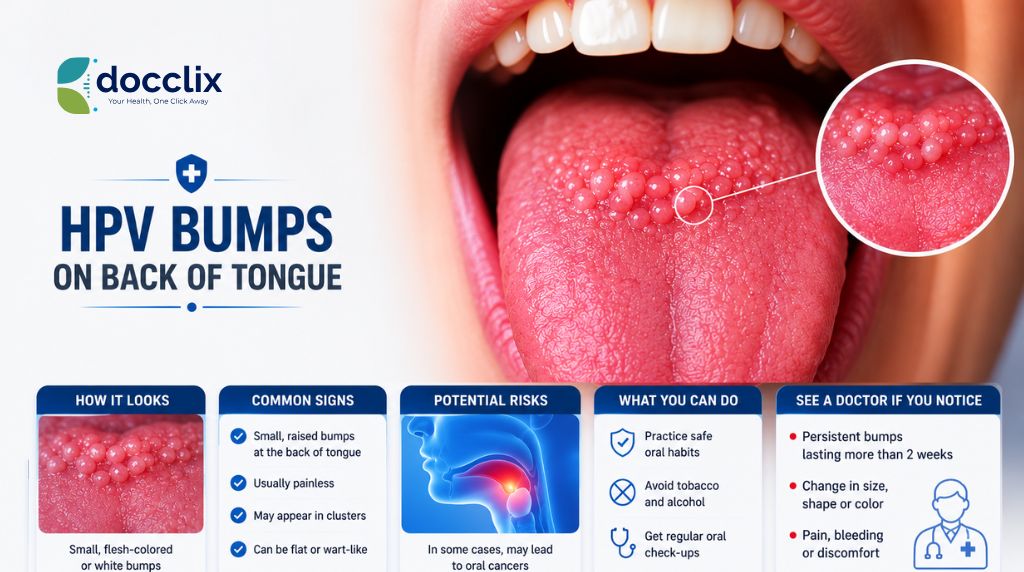
Finding unusual bumps on the back of the tongue can be alarming, especially when they persist or cause discomfort. While some tongue bumps are completely harmless and related to normal anatomy, others may be associated with infections such as the Human Papillomavirus (HPV). This has led many people to search for information about HPV bumps on back of tongue, their appearance, causes, symptoms, and available treatment options.
HPV is one of the most common viral infections worldwide and can affect different parts of the body, including the oral cavity. Oral HPV infections may sometimes cause small wart-like growths on the tongue, throat, lips, or other oral tissues. Although many HPV infections resolve naturally without causing serious health issues, persistent lesions should be evaluated by a healthcare professional.
Understanding the signs of oral HPV, risk factors, and treatment options can help individuals make informed decisions about their oral health and seek timely medical attention when necessary.
What is HPV?
Human Papillomavirus, commonly known as HPV, is a group of viruses that infect the skin and mucous membranes. More than 100 different HPV types have been identified, with some causing harmless warts and others associated with certain cancers.
HPV infections are extremely common, and many people are exposed to the virus at some point in their lives. In most cases, the immune system clears the infection naturally. However, some infections may persist and cause visible symptoms, including oral lesions.
-
Understanding Human Papillomavirus
HPV is transmitted through direct skin-to-skin or mucosal contact. Depending on the strain involved, the infection may affect the genital area, skin, mouth, or tongue. Most HPV infections remain asymptomatic and are often detected only when symptoms appear.
-
Low-Risk and High-Risk HPV Types
HPV strains are generally categorized into low-risk and high-risk types. Low-risk strains commonly cause oral warts or benign growths, whereas high-risk strains have been linked to cancers affecting the cervix, throat, and oral cavity.
-
How HPV Spreads
Oral HPV is often transmitted through oral contact with infected tissues. Because HPV can remain dormant for years, it is not always possible to determine when or how the infection occurred.
HPV and Oral Health
The mouth contains delicate tissues that can be affected by various viral infections, including HPV. Oral HPV may involve the tongue, gums, inner cheeks, palate, and tonsils. While many infections cause no symptoms, some lead to noticeable bumps or lesions.
When HPV affects the tongue, it may produce small growths that can resemble warts, skin tags, or raised patches. Understanding how HPV impacts oral health helps distinguish these lesions from other common tongue conditions.
-
How HPV Affects the Tongue
The virus infects cells within the surface layers of the tongue. Over time, infected cells may multiply and form small growths or bumps. These lesions can vary in appearance depending on the HPV strain involved.
-
HPV Bumps on Back of Tongue
HPV-related bumps often appear as small, flesh-colored, white, or pink growths. They may occur individually or in clusters and can be located near the back of the tongue where they may be difficult to notice initially.
-
Are All Tongue Bumps HPV?
No. Many bumps on the tongue are completely normal. Enlarged taste buds, irritation, canker sores, infections, or trauma can also cause tongue bumps. This is why proper diagnosis is important.
HPV Bumps on the Back of the Tongue: Symptoms
Symptoms vary depending on the size, location, and type of lesion. Some people discover bumps accidentally while brushing their teeth, while others develop discomfort or irritation.
In many cases, oral HPV causes minimal symptoms. However, larger or persistent lesions may become more noticeable over time.
-
Visible Wart-Like Growths
The most common symptom is the presence of small raised bumps on the back of the tongue. These growths may have a smooth or cauliflower-like appearance and can vary in color.
-
Foreign Body Sensation
Some individuals feel as though something is stuck at the back of the tongue. This sensation can occur when lesions become larger or are positioned near the throat.
-
Difficulty Swallowing
Larger HPV growths may occasionally interfere with swallowing. Although uncommon, persistent swallowing difficulties should be evaluated by an ENT specialist.
-
Tongue Irritation or Discomfort
HPV bumps are usually painless, but some individuals experience irritation, tenderness, or mild discomfort, especially when eating spicy or acidic foods.
-
Changes in Speech
In rare situations, larger lesions may affect tongue movement and contribute to minor speech changes or discomfort during conversation.
You may also like:Best ENT Specialist in Bangalore: Complete Guide to Ear, Nose & Throat Care
Causes and Risk Factors
Several factors can increase the likelihood of developing oral HPV infections. Understanding these risk factors may help individuals take preventive measures and recognize when medical evaluation is necessary.
Although HPV exposure is common, not everyone develops visible lesions.
-
Oral HPV Infection
The primary cause of HPV bumps on the back of the tongue is infection with an HPV strain capable of affecting oral tissues. Some strains are more likely to cause visible growths than others.
-
Multiple Sexual Partners
A higher number of lifetime sexual partners has been associated with increased exposure to HPV. However, infection can occur even with limited exposure.
-
Weakened Immune System
Individuals with weakened immunity may have a reduced ability to clear HPV infections naturally, increasing the likelihood of persistent lesions.
-
Tobacco Use
Smoking and tobacco use may contribute to oral tissue irritation and may increase the risk of persistent HPV-related lesions.
-
Lack of HPV Vaccination
People who have not received HPV vaccination may have a greater risk of infection with certain HPV strains.
Diagnosis of HPV Bumps on Back of Tongue
Because many oral conditions can resemble HPV lesions, proper diagnosis is essential. A healthcare professional can determine whether the bumps are related to HPV or another condition.
Diagnosis often involves a combination of physical examination and diagnostic testing.
-
Clinical Examination
An ENT specialist or oral healthcare provider will carefully examine the tongue and surrounding oral tissues. The appearance, size, and location of the lesions provide important diagnostic clues.
-
Medical History Assessment
Your doctor may ask about symptoms, duration, smoking history, medical conditions, and potential risk factors for oral HPV infection.
-
HPV Testing
In certain situations, HPV-specific testing may be recommended, particularly if lesions appear suspicious or persist despite observation.
-
Biopsy
A biopsy involves removing a small sample of tissue for laboratory analysis. This procedure helps confirm the diagnosis and exclude precancerous or cancerous conditions.
Treatment Options for HPV Bumps on Back of Tongue
Treatment depends on the size of the lesion, symptoms, HPV strain, and overall health of the patient. Not every HPV bump requires immediate intervention.
Many cases can be managed conservatively while others may require procedural treatment.
1. Observation
Small, asymptomatic lesions may simply be monitored over time. Because many HPV infections resolve naturally, immediate treatment is not always necessary.
Regular follow-up appointments help ensure that lesions do not change significantly.
2. Medical Treatments
Although there is no cure that completely eliminates HPV from the body, certain medications may be used to manage symptoms or support immune response.
Treatment plans are individualized based on patient needs.
3. Surgical or Procedural Options
Persistent, enlarging, or bothersome lesions may require removal.
Common treatment options include:
- Surgical excision
- Laser therapy
- Cryotherapy
- Electrocautery
- Radiofrequency procedures
These treatments aim to remove visible growths and improve comfort.
Potential Complications
Most oral HPV infections are not dangerous. However, some cases require ongoing monitoring because complications can occur.
Early diagnosis helps reduce potential risks and improve outcomes.
-
Persistent Oral Lesions
Some HPV-related bumps may remain present for extended periods rather than resolving naturally.
-
Recurrence After Treatment
Even after successful removal, lesions can occasionally recur because HPV may remain within surrounding tissues.
-
Difficulty Eating or Speaking
Larger lesions can sometimes interfere with normal tongue function, leading to discomfort while eating or speaking.
-
Risk of Oral Cancer
Certain high-risk HPV strains have been linked to cancers affecting the tongue and oral cavity. While cancer is uncommon, persistent lesions should always be evaluated appropriately.
Prevention Strategies
Preventing oral HPV infection involves a combination of vaccination, lifestyle modifications, and routine healthcare.
Although no method provides complete protection, several strategies can significantly reduce risk.
-
HPV Vaccination
Vaccination protects against several high-risk and low-risk HPV strains and is one of the most effective preventive measures available.
-
Safe Sexual Practices
Practicing safer sexual behaviors may help reduce exposure to HPV and other infections.
-
Avoid Tobacco Products
Avoiding smoking and tobacco use supports overall oral health and may reduce complications associated with HPV.
-
Maintain Good Oral Hygiene
Regular brushing, flossing, and dental examinations help maintain a healthier oral environment.
-
Routine Medical Checkups
Regular dental and ENT evaluations can help identify abnormalities early and support timely treatment.
How DocClix Helps You Connect With ENT Specialists and Oral Health Experts?
When dealing with persistent tongue bumps or concerns about oral HPV, obtaining an accurate diagnosis is essential. Many oral conditions appear similar, making professional evaluation important for appropriate treatment.
-
Find Verified ENT Specialists
DocClix helps patients find experienced ENT specialists and oral healthcare professionals based on their specific healthcare needs.
-
Book Appointments Easily
Patients can schedule in-person consultations quickly and conveniently through the platform.
-
Access Online Consultations
Video and chat consultations make it easier to discuss symptoms and receive professional guidance from home.
-
Manage Health Records Securely
Store prescriptions, reports, and medical documents securely in one place for easier healthcare management.
-
Receive Personalized Care
DocClix connects patients with specialists who can provide individualized treatment recommendations and follow-up care.
👅 Concerned About Bumps on the Back of Your Tongue?
Persistent tongue bumps, oral growths, or swallowing discomfort should not be ignored. Connect with experienced ENT specialists for expert evaluation and personalized treatment recommendations.
Conclusion
Finding HPV bumps on back of tongue can be concerning, but not every tongue bump is caused by HPV, and not every HPV lesion is dangerous. Oral HPV infections may cause small wart-like growths that appear on the tongue, particularly near the back of the tongue, where they can sometimes go unnoticed.
Understanding the symptoms, causes, diagnosis, and treatment options can help individuals seek timely care and avoid unnecessary anxiety. While many HPV-related lesions resolve naturally, persistent bumps, swallowing difficulties, or unexplained oral growths should always be evaluated by a healthcare professional.
If you are concerned about unusual tongue bumps or oral HPV symptoms, DocClix can help you connect with experienced ENT specialists and healthcare providers for accurate diagnosis, treatment guidance, and ongoing care.
FAQs
Q1. What do HPV bumps on the back of the tongue look like?
HPV bumps often appear as small raised growths that may be white, pink, or flesh-colored. They can occur individually or in clusters.
Q2. Can HPV bumps on the tongue go away on their own?
Yes. Many oral HPV infections are cleared naturally by the immune system, and some lesions may disappear without treatment.
Q3. Are HPV bumps on the tongue painful?
Most HPV bumps are painless, although some individuals may experience irritation or discomfort depending on the size and location of the lesion.
Q4. How are HPV bumps on the tongue diagnosed?
Diagnosis typically involves a clinical examination, medical history review, and sometimes a biopsy or HPV testing.
Q5. How can DocClix help with HPV-related tongue concerns?
DocClix helps patients find ENT specialists, book appointments, access online consultations, and manage medical records for better healthcare coordination.
For Doctors & Clinics
Get your AI Visibility Page for ₹1,999
One-time setup. Google, ChatGPT & Gemini ready. No monthly commitment to start.
Get Onboarded — ₹1,999 arrow_forward